In the modern retail landscape, digital is no longer a threat to the in-store shopping experience. In fact, smart retailers have come to see e-commerce as a tool to boost in-store foot traffic. This represents a new phenomenon called ROPO (research online, purchase offline), where consumers start their shopping journeys online but complete them in-store.
This is a strategy used by 82 percent of consumers, according to Retail Customer Experience. Because of this, experts stress how important it is for retailers to have a strong presence in both physical and digital environments.
 In the modern retail landscape, digital is no longer a threat to the in-store shopping experience. In fact, smart retailers have come to see e-commerce as a tool to boost in-store foot traffic. This represents a new phenomenon called ROPO (research online, purchase offline), where consumers start their shopping journeys online but complete them in-store.
This is a strategy used by 82 percent of consumers, according to Retail Customer Experience. Because of this, experts stress how important it is for retailers to have a strong presence in both physical and digital environments. Continue reading “Use Digital Platforms to Drive In-Store Traffic, and Vice Versa”


 I have been fortunate enough to practice marketing before and after the emergence of the internet, social media, and digital marketing. While the channels for communicating have changed and grown significantly, the basics of good marketing have remained the same. These new channels also often come with something that traditional marketing efforts usually lacked─analytics. Or, at least, lacked the sophistication that now exists to understand the nuances of the target audience’s response.
  As summer approaches, and as restrictions related to COVID-19 begin to ease around the country, tourism is likely to pick up significantly. That’s great news for the many hospitality and destination businesses that took a hard hit during the pandemic. Now they have an opportunity to hit the ground running to attract the attention of consumers with pent-up demand.
 When pandemic restrictions around the country started occurring in March 2020, few imagined that many would still be in place—or starting up again—as the year drew to an end. As I write this, in mid-November, cases are rising across the country, and new restrictions are emerging. Through it all, organizations of various kinds have had to adjust and adapt to the new normal—whatever that is. As businesses plan for 2021, none can ignore the potential for COVID-19 to continue disrupting their operations and impacting consumer decisions.
  SEO has long been the holy grail for internet marketers—and content creators—of all kinds. Attracting eyeballs, and website visitors, was job number one. While that’s still the case to a large degree, SEO has become less of a numbers game and more of a driver for creating high-quality, relevant content. This is because of the ongoing algorithmic changes that Google and other search engines make to deliver a positive search experience for users.
  I’ve worked in marketing for a number of years, and I know that it can be a thankless role at times. After all, the marketing department is a cost center, not a revenue center. It’s a function that is often highly scrutinized in terms of how dollars are being spent and what results are being achieved from those expenditures. Marketing staff is sometimes viewed as “squishy creative types” who don’t really understand business issues but like to throw money at bright, shiny things and the latest social media craze.
 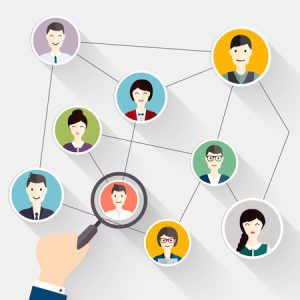 Marketers often speak of the “customer journey.” It’s a concept that describes the various decisions customer make and the interactions they have with a company from the point where they’ve identified a need until the point when they make a purchase—and beyond. A customer journey map is important because it helps marketers visually depict the customer journey and identify areas that may represent barriers or risks of loss. It provides a documented, explicit vision of how customers will interact with your company and is a good tool for sharing with employees to help them understand the journey and the role that they play in engaging and retaining customers.
  As businesses slowly begin to open back up, many find themselves doing business far differently than they may have before the pandemic. Safety is top of mind. Not all customers feel comfortable at this point, interacting in person with the businesses they may have frequented without fear in the past. That means for many companies, a combination of in-store/in-person and online or socially distanced interactions. Many are operating on the fly, figuring things out as they go. But now may be an excellent time to take a step back and update, or create, a marketing plan to help you move forward more strategically.