
 Much of my work over the years has been with “service brands”—brands that are not tied to a particular product, but to the delivery of some type of service—educational services, healthcare services, energy services, engineering services, consulting services, etc.
Developing and maintaining a strong brand for a service is, in my opinion, significantly more challenging than developing and maintaining a strong brand for a product. Why? Continue reading “Tackling the Special Challenges of Building and Sustaining Strong Service Brands”
 by
by  In a highly publicized conference call,
 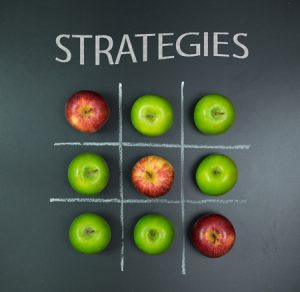 Brands are made up of multiple components – your product or service; your logos, advertising campaigns, public relations and sponsorships; the behaviors of your employees and your customers’ interactions with them; the personalities of the top executives and/or owners, etc. As we’ve said many times before, it’s ultimately the market that truly defines your brand, and they do so by absorbing all of the elements we just mentioned into an overall image in their mind of who your company is and what it stands for.
  Most businesspeople and students of marketing would probably agree with the statement that your brand is important. Yet, despite this importance, the concept of a brand isn’t always easy to grasp. Part of that problem is because a brand is made of so many components that it needs to be considered very broadly.
 Social media is a powerful marketing tool for any business. Business and marketing professionals are particularly drawn to the extensive reach of social media and its potential for driving droves of new customers through their virtual doors. However—and this may surprise you—social media marketers shouldn’t be focused exclusively on bringing in new business.
 How do you get so big, and so powerful, that you can tell other big and powerful organizations what they can and can’t say—and prohibit them from using very commonly used words and phrases? The Olympic Committee’s ban on non-sponsor brands ostensibly does just that